
Career Paths
Career Paths guides on Job Scout Wise.

What It's Really Like to Work as a Flight Attendant
Working as a flight attendant means being trained and federally certified for emergencies first, and serving passengers second. The typical entry-level education is a high school diploma or equivalent (U.S. Bureau of Labor Statistics, 2025), airlines train you themselves for several weeks to a few months, and the median annual wage was $63,580 in May 2025 (U.S. Bureau of Labor Statistics).
Priya Chandrasekaran · 9 min read
How to Become a Personal Trainer
To become a personal trainer in the United States, you normally need a personal training certification and a current CPR/AED credential before an employer will let you work with clients. The U.S. Bureau of Labor Statistics notes that personal trainers usually must be certified before they begin working with clients or gym members, and that most trainers or instructors also need certification in CPR and first aid and in the use of an AED (U.S. Bureau of Labor Statistics, 2026-08-27).
Priya Chandrasekaran · 10 min read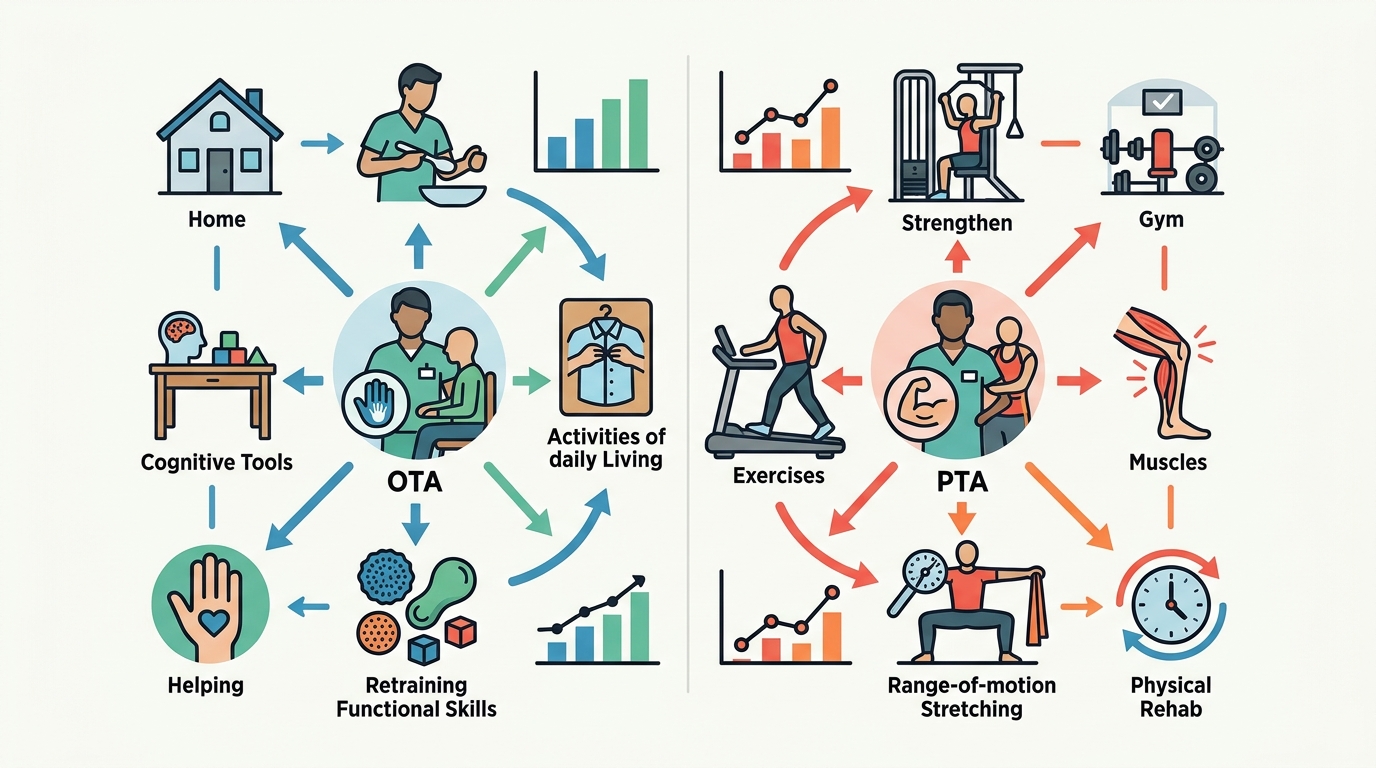
Occupational Therapy Assistant vs. Physical Therapist Assistant: Which Career Path Is Right for You?
Occupational therapy assistants (OTAs) help people regain the ability to do everyday tasks — dressing, cooking, handwriting, play. Physical therapist assistants (PTAs) carry out treatment plans aimed at movement, strength and pain. Both are associate-degree roles with licensing exams, both involve a lot of standing and lifting, and both pay similarly at the national median: $72,300 for occupational therapy assistants and $68,380 for physical therapist assistants in May 2025, according to the U.S. Bureau of Labor Statistics (2025).
Marisol Tanaka-Reyes · 9 min read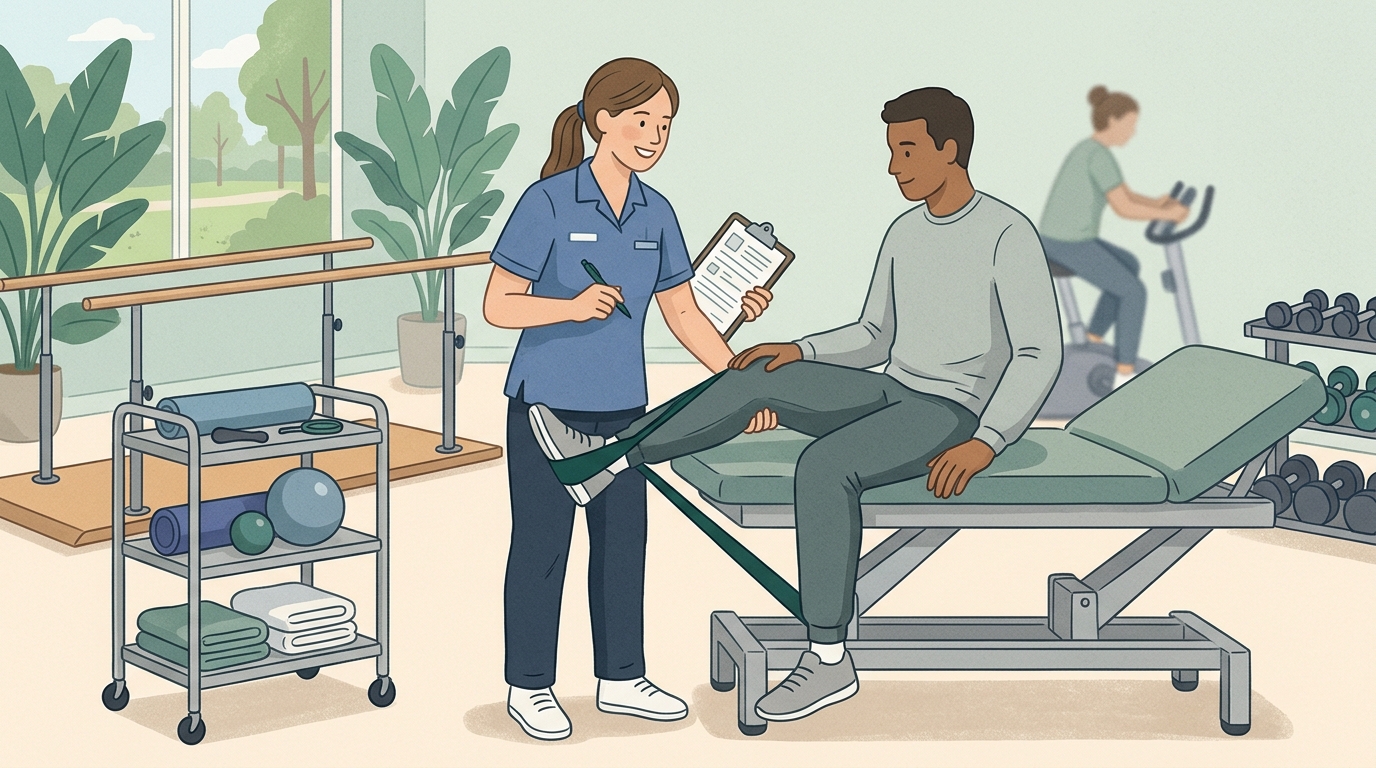
What Does a Physical Therapist Assistant Do? Duties, Skills, and Salary Explained
A physical therapist assistant (PTA) delivers hands-on treatment — exercise, massage, stretching, and gait and balance training — under the direction and supervision of a physical therapist, and records how each patient responds (U.S. Bureau of Labor Statistics, 2025). Most PTAs work in physical therapists' offices or hospitals and are on their feet for much of the day setting up equipment and helping patients move (U.S. Bureau of Labor Statistics, 2025).
Marisol Tanaka-Reyes · 9 min read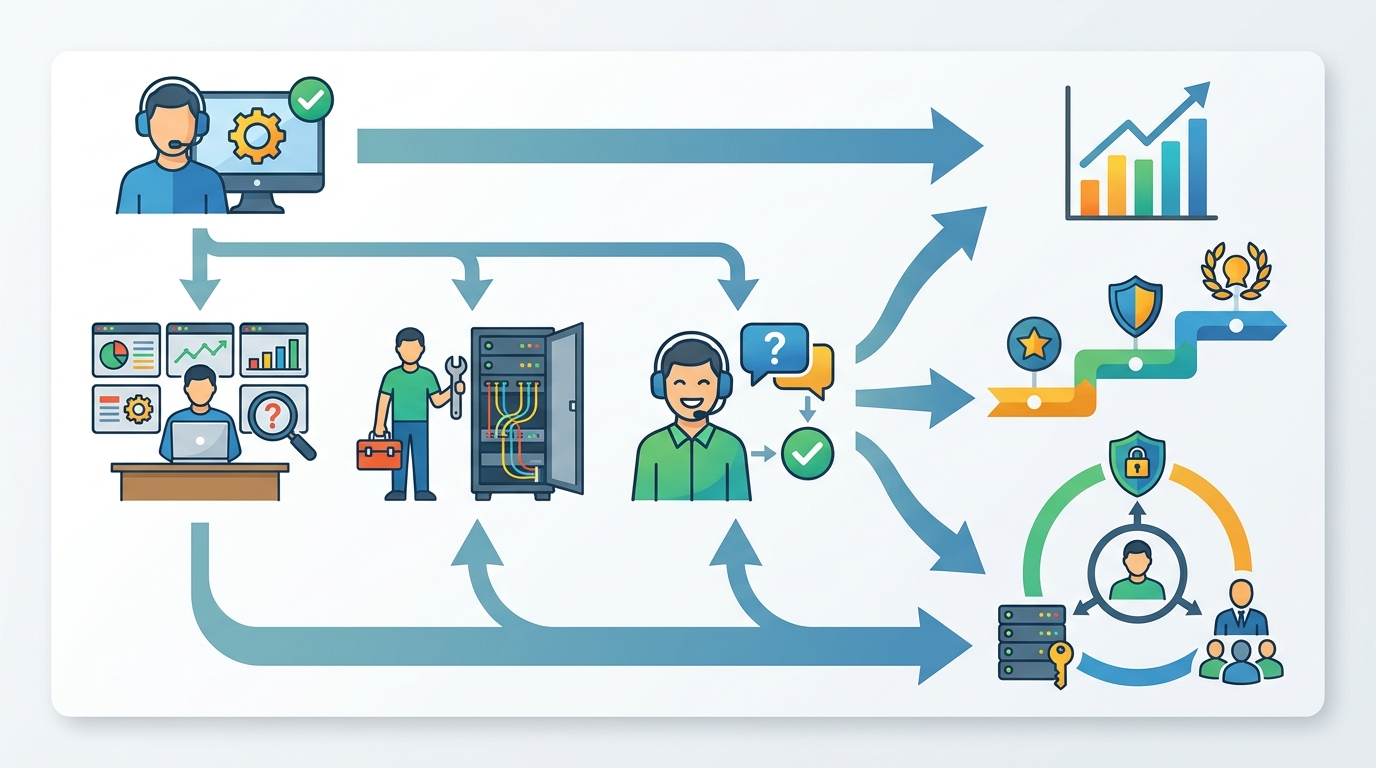
IT Support Specialist Career Overview: Is This the Right Path for You?
IT support specialists keep other people's technology working: diagnosing problems, setting up equipment, walking users through fixes, and maintaining the networks everything runs on. The U.S. Bureau of Labor Statistics (2025) splits the work into two groups — computer user support specialists, often called help-desk technicians, and computer network support specialists — and they differ in entry requirements and pay.
Desmond Okafor · 9 min read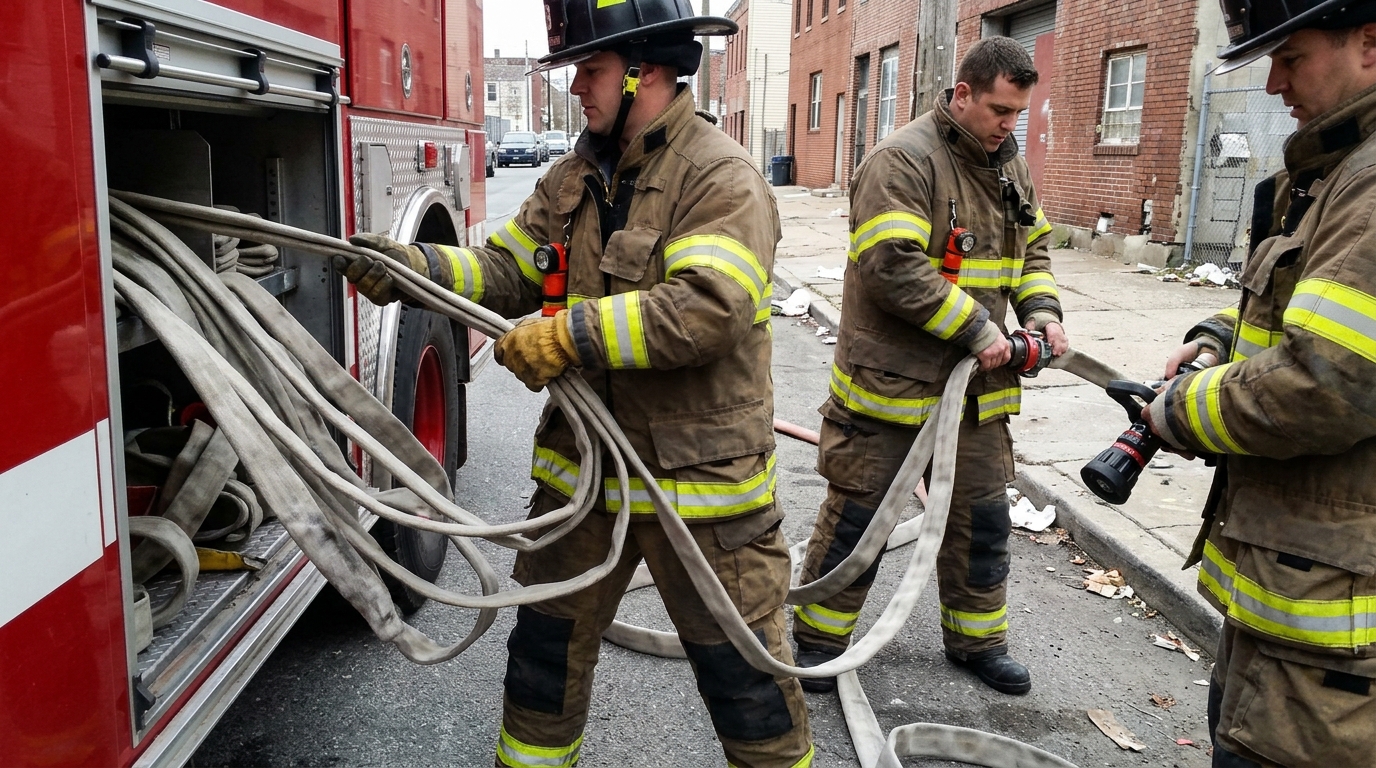
How to Become a Firefighter
Becoming a firefighter is less about one diploma and more about clearing a sequence of gates: a high school diploma or equivalent, emergency medical training, a competitive department hiring process with written and physical testing, and then a few months at a fire academy followed by a probationary period (U.S. Bureau of Labor Statistics, 2025). Most candidates spend somewhere between one and three years from starting EMT training to being sworn in, because hiring cycles open on a department's schedule, not yours.
Noor Abdallah · 10 min read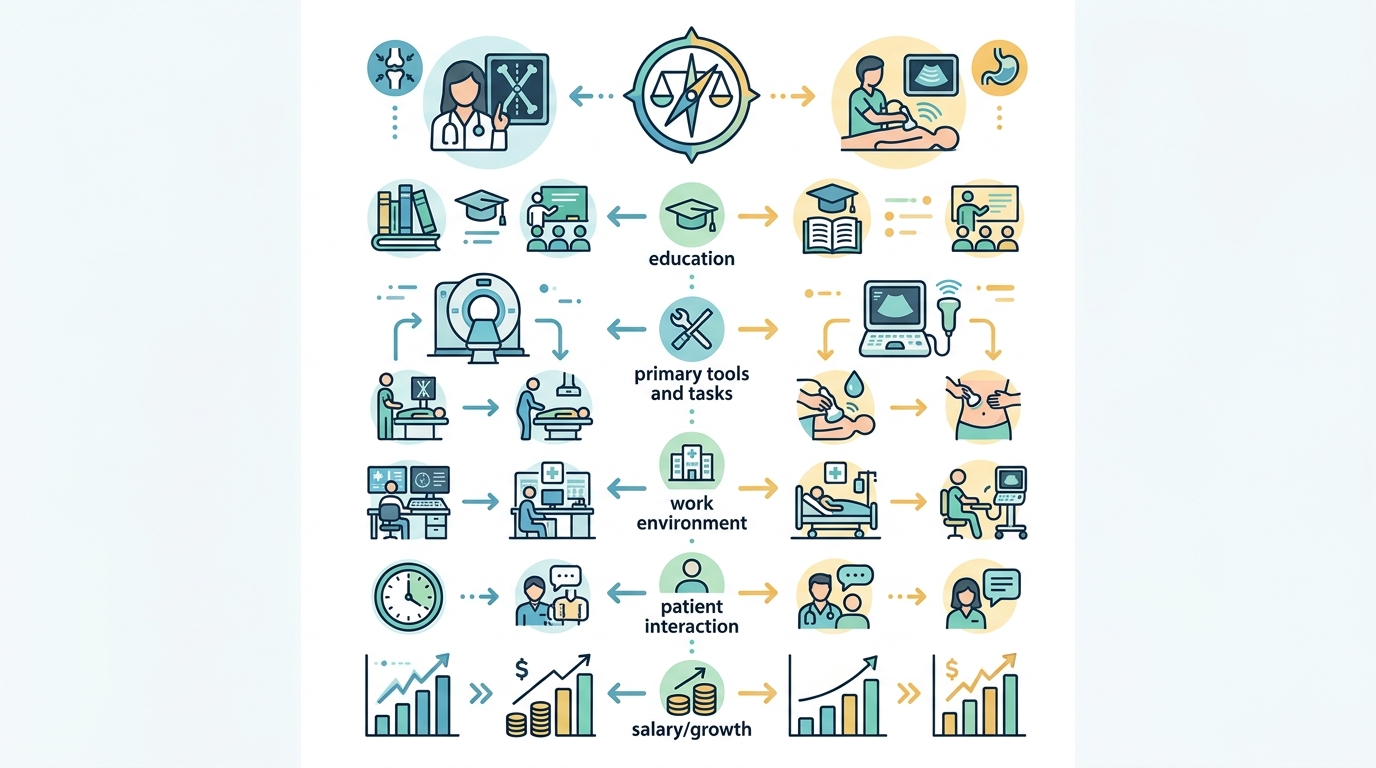
Radiologic Technologist vs. Ultrasound Technician: Pay, Duties, and Day-to-Day Differences
Radiologic technologists and ultrasound technicians (formally, diagnostic medical sonographers) both produce the images doctors read, but they use different physics, different body mechanics and often different schedules. Radiography is fast, protocol-driven and uses ionizing radiation; sonography is slower, hands-on and asks you to find the diagnostic image yourself while the patient lies in front of you.
Wyatt Holloway · 9 min read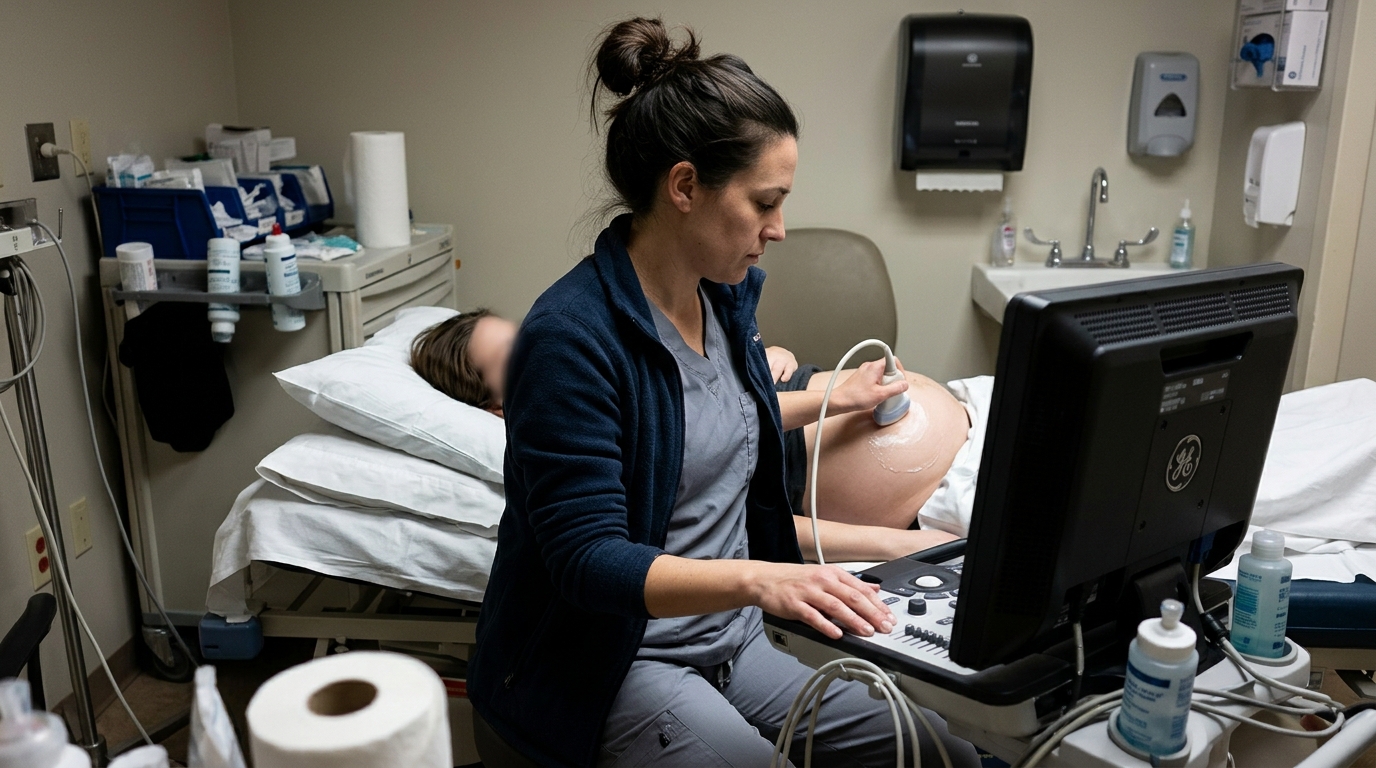
How to Become an Ultrasound Technician: Step-by-Step Guide
Becoming an ultrasound technician — formally a diagnostic medical sonographer, classified by ONET OnLine (U.S. Department of Labor, undated) under SOC code 29-2032.00 — usually means completing an accredited sonography program and then passing certification exams, most commonly through the American Registry for Diagnostic Medical Sonography (ARDMS). Most people enter through a two-year associate degree, though a shorter certificate route exists for those who already hold a healthcare credential.
Desmond Okafor · 8 min read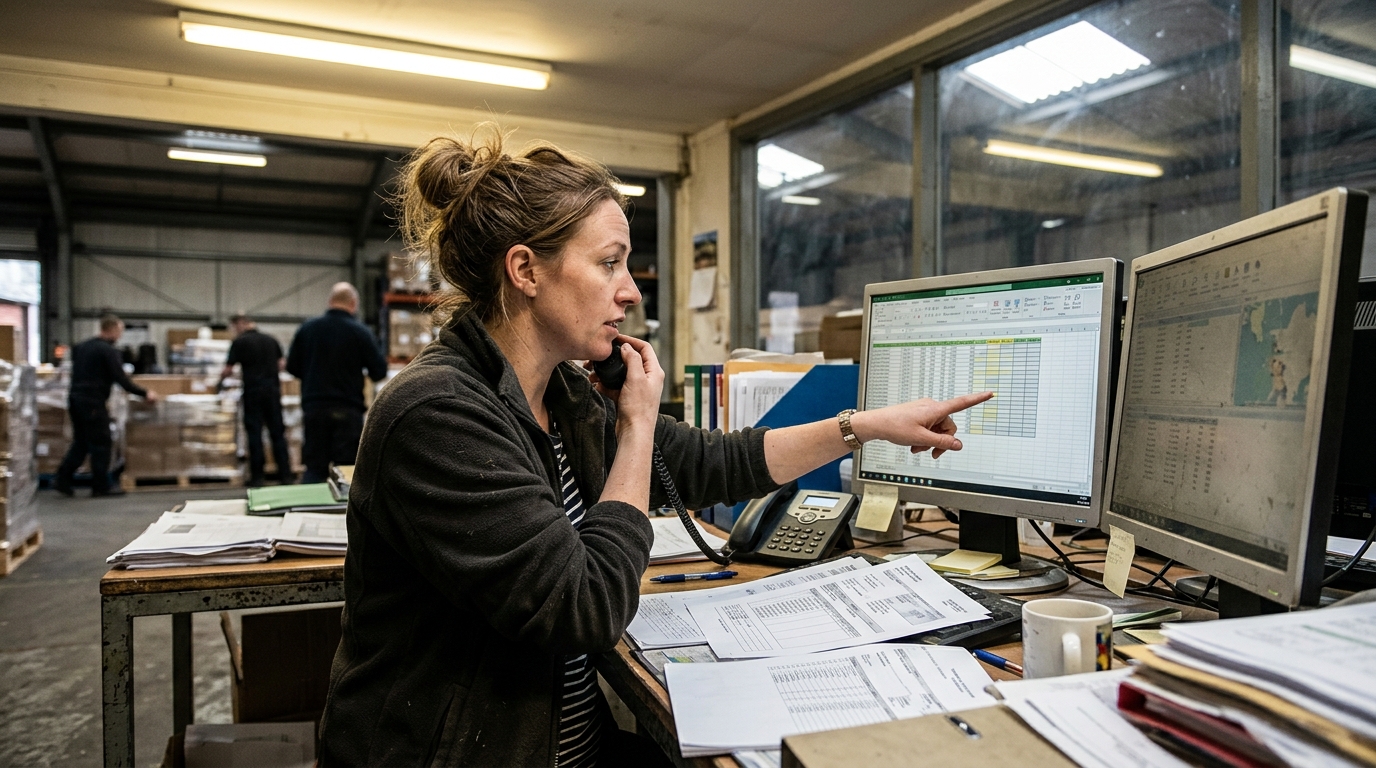
What Does a Logistics Coordinator Do? Duties, Skills, and Salary Explained
A logistics coordinator keeps goods moving: booking carriers, tracking shipments, directing the availability and allocation of materials, supplies, and finished products, and fixing the problems that stop a delivery from arriving on time (U.S. Bureau of Labor Statistics, 2025; ONET OnLine). Most of the work happens in enterprise resource planning software and spreadsheets, punctuated by phone calls with drivers, warehouse staff, and suppliers.
Noor Abdallah · 9 min read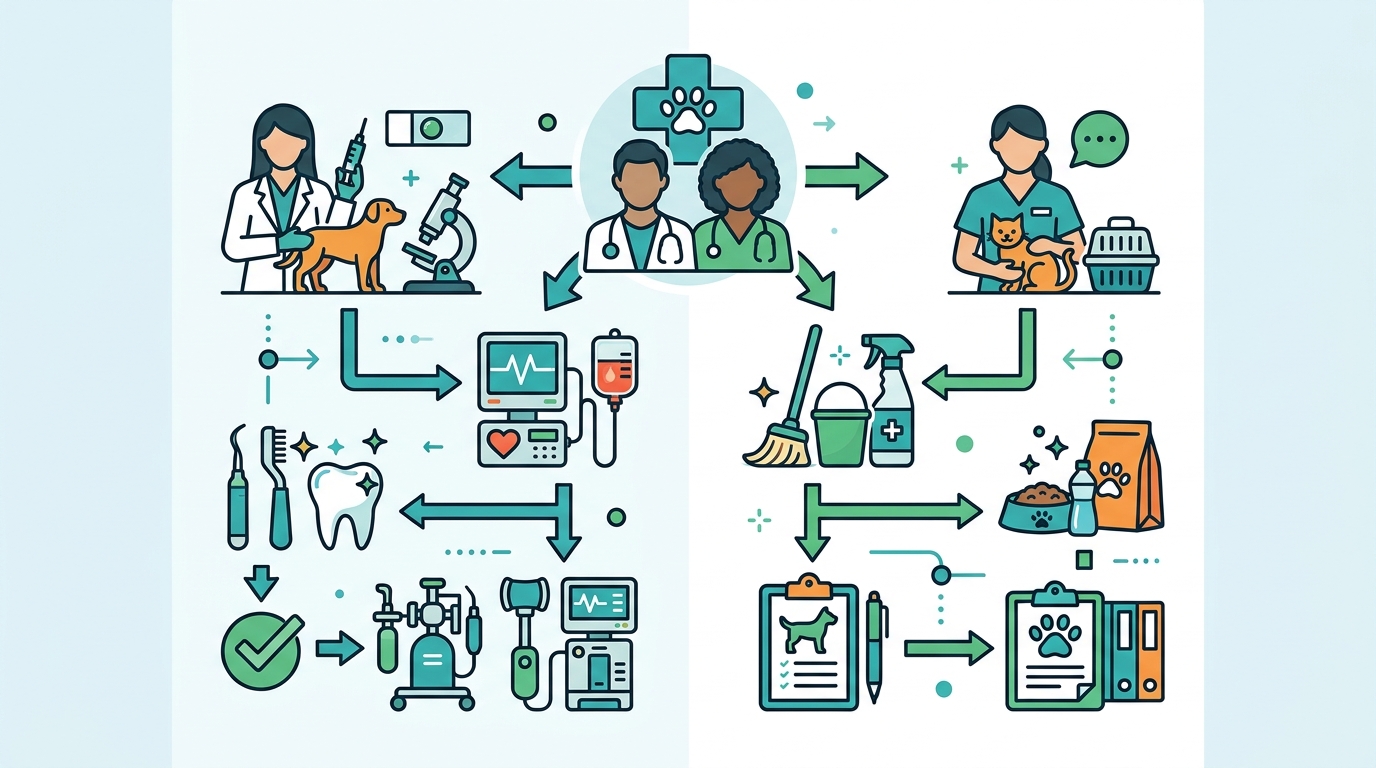
Veterinary Technician vs. Veterinary Assistant: Key Differences Explained
Veterinary technicians and veterinary assistants often work side by side in the same treatment room, but they are separate occupations with different entry routes, task lists and pay. Technicians typically complete a two-year accredited veterinary technology program and pass a credentialing exam, and handle clinical work such as anesthesia, radiographs and laboratory tests. Assistants usually enter with a high school diploma and short-term on-the-job training, focusing on animal care, restraint, cleaning and post-surgical monitoring.
Wyatt Holloway · 9 min read